R9-MES Production Management System

R9-MES Production Management System

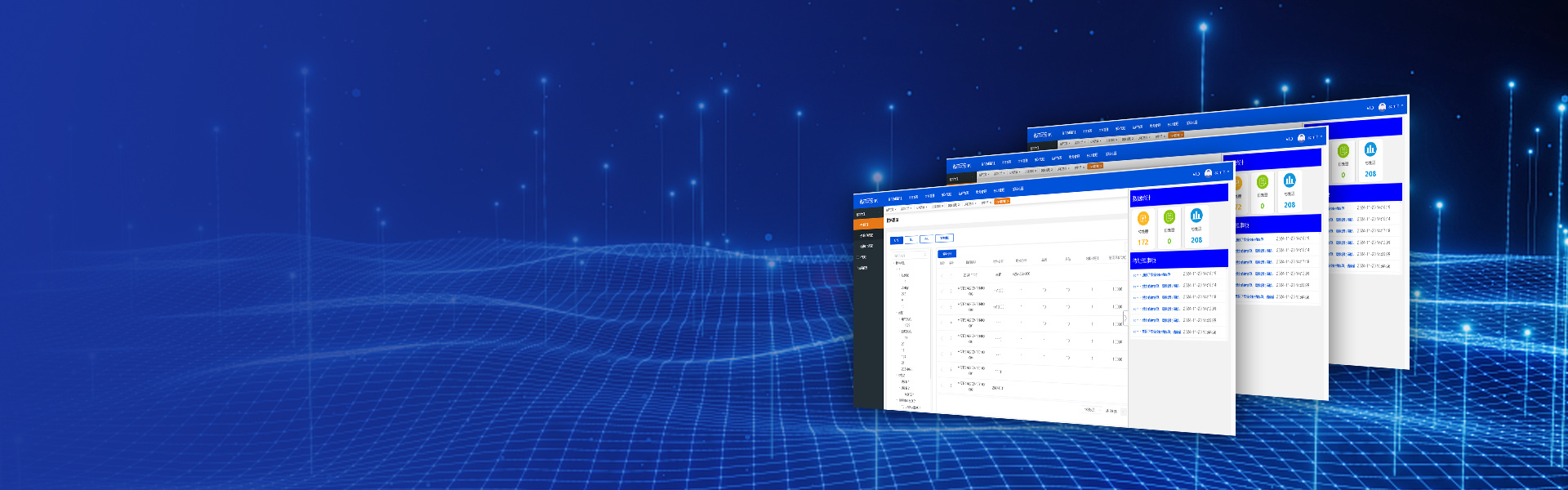
The R9-MES Production Management System is an information management tool for the workshop level of manufacturing enterprises. It sits between the upper-level planning management system and the lower-level industrial control system, meeting the information needs of workshop management. It provides production plan execution and tracking, real-time monitoring of personnel, equipment, materials, and customer needs, aiming to solve the "black box" problem in the production process, achieving visualization and controllability of the production process to improve production efficiency and management level.

R9-MES Production Management System

Product Introduction

The R9-MES Production Management System is a production information management system for the shop floor execution layer of manufacturing enterprises. It is located between the upper-level planning management system (such as ERP) and the lower-level industrial control, focusing on the management information needs of the shop floor. The system provides operators and managers with functions for executing and tracking production plans, and real-time monitoring of the current status of all resources (including personnel, equipment, materials, customer needs, etc.). Its core objective is to solve the "black box" problem in the factory production process, achieving visualization and controllability of the production process, thereby improving production efficiency and management level.


R9-MES not only covers the entire process from the issuance of production orders to the completion and warehousing, realizing full-process closed-loop management, but also establishes a real-time data acquisition network of all elements of personnel, machines, materials, methods, and environment, ensuring precise monitoring of all key factors in the production process. Utilizing efficient IoT technology, the system can quickly update production indicators, effectively breaking down information barriers within the workshop.


In addition, R9-MES creates a visualized digital twin system based on actual production conditions, allowing managers to intuitively understand the status of the production line and make timely adjustments and optimization decisions. The system automatically generates a variety of production analysis reports, helping managers identify efficiency bottlenecks and support the implementation of continuous improvement strategies.


Compared to traditional management models, R9-MES significantly improves the abnormal response speed and work-in-progress turnover rate, and greatly shortens the quality traceability time. These improvements are crucial for promoting the digital transformation of manufacturing enterprises into transparent factories, intelligent factories, and even lighthouse factories.


Currently, R9-MES has been successfully applied in multiple industry sectors, demonstrating its wide adaptability and powerful functions. Whether enterprises want to improve production efficiency, strengthen quality management, or accelerate digital transformation, R9-MES is a reliable and efficient partner.


User Pain Points Core Functions

Opaque production process (black box problem)

Pain points:

  • Production data cannot be obtained in real time, leading to management personnel being unable to accurately understand production progress, equipment status, and resource utilization.

Solution:

  • Through the MES system's real-time data acquisition and visualized dashboards, achieve full transparency of the production process.

Low production efficiency

Pain points:

  • Production plans are not effectively executed, equipment utilization is low, personnel efficiency is not high, leading to low production efficiency.

Solution:

  • Through the MES system's planning and scheduling, resource optimization, and real-time monitoring functions, improve production efficiency and resource utilization.

Frequent quality problems

Pain points:

  • Quality problems in the production process cannot be found in time, leading to high rework rates and many customer complaints.

Solution:

  • Through the MES system's quality inspection, quality traceability, and exception alarm functions, achieve full-process quality monitoring and rapid problem location.

Frequent equipment failures, long downtime

Pain points:

  • Inadequate equipment maintenance, frequent failures, leading to long production line downtime and affecting production progress.

Solution:

  • Through the MES system's equipment status monitoring, preventive maintenance, and fault management functions, reduce equipment failures and downtime.

Disorderly material management

Pain points:

  • Inaccurate material inventory, material shortages or backlog, affecting the execution of production plans.

Solution:

  • Through the MES system's material requirements planning, inventory management, and material traceability functions, achieve precise material management.

Production plans are difficult to execute

Pain points:

  • Production plans are disconnected from actual execution, and plan adjustments are not timely, leading to delivery delays.

Solution:

  • Through the MES system's plan decomposition, scheduling optimization, and real-time tracking functions, ensure the efficient execution of production plans.

Data is scattered and difficult to analyze

Pain points:

  • Production data is scattered in various systems, making it difficult to integrate and analyze, and unable to provide support for decision-making.

Solution:

  • Through the MES system's data integration and report analysis functions, achieve centralized data management and multi-dimensional analysis.

Low efficiency in exception handling

Pain points:

  • When exceptions occur during production, the processing process is unclear, the response speed is slow, and the production progress is affected.

Solution:

  • Through the MES system's exception alarms, standardized processing procedures, and exception recording functions, improve exception handling efficiency.


Plan Management Module

Production Plan Decomposition: Decomposes the production plan from the upper-level ERP system into shop floor executable work orders.

Plan Scheduling: Optimizes production scheduling based on resources such as equipment, personnel, and materials.

Plan Tracking: Monitors the execution progress of the production plan in real time to ensure timely completion.

Resource Management Module

Personnel Management: Tracks the work status, skill level, and work efficiency of operators to optimize human resource allocation.

Equipment Management: Monitors equipment operating status, maintenance records, and fault information to support preventive maintenance and fault warning.

Material Management: Real-time tracking of material inventory, consumption, and flow to ensure timely supply of materials required for production.

Energy Management: Monitors energy consumption and optimizes energy use efficiency.

Production Process Monitoring Module

Real-time Data Acquisition: Collects real-time operating data from the production line through sensors, PLCs, and other equipment.

Production Progress Tracking: Monitors the production progress of each work order to ensure execution according to plan.

Abnormal Alarm: The system automatically alarms and notifies relevant personnel when abnormalities occur during production (such as equipment failure or unqualified quality).

Quality Management Module

Quality Inspection: Integrates quality inspection equipment to collect quality data in real time and automatically determine whether products are qualified.

Quality Traceability: Records the production process data of each product to achieve full traceability from raw materials to finished products.

Quality Analysis: Generates quality analysis reports to help managers identify quality problems and make improvements.

Equipment Maintenance Module

Equipment Status Monitoring: Real-time monitoring of the operating status and health indicators of equipment.

Maintenance Plan Management: Develops equipment maintenance plans to support preventive maintenance and regular maintenance.

Fault Management: Records equipment fault information, tracks fault handling progress, and reduces downtime.

Material and Inventory Management Module

Material Requirements Planning: Automatically calculates material requirements based on the production plan.

Inventory Management: Real-time monitoring of the inventory status of raw materials, semi-finished products, and finished products.

Material Traceability: Tracks the source, usage, and flow path of materials.

Visualization and Reporting Module

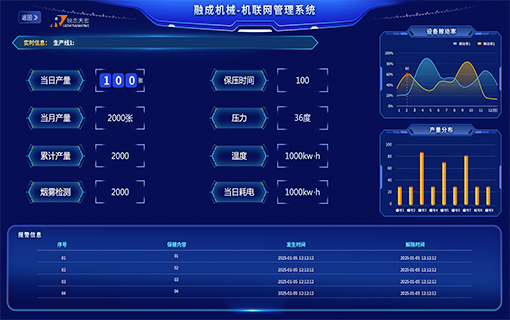
Production Kanban: Real-time display of production progress, equipment status, quality data, etc., through electronic kanban, mobile terminals, etc.

Report Generation: Automatically generates production efficiency reports, equipment utilization reports, quality analysis reports, etc., supporting data export and analysis.

Data Analysis: Provides multi-dimensional data analysis tools to help managers optimize production decisions.

Exception Handling Module

Abnormal Alarm: The system automatically alarms when exceptions occur during production (such as equipment failure or unqualified quality).

Exception Handling Process: Provides a standardized exception handling process to ensure that problems can be resolved promptly.

Exception Recording and Analysis: Records exception events, analyzes the causes of exceptions, and avoids recurrence.

Customer Demand Management Module

Order Management: Adjusts the production plan based on customer order requirements to ensure timely delivery.

Demand Tracking: Real-time tracking of the production progress of customer orders to ensure that customer needs are met.

Delivery Management: Monitors the product delivery status to ensure timely shipment.


Product Highlights

Full transparency in the production process

Full transparency in the production process

Highlights: Eliminate "black box" indicators in the production process through real-time data acquisition and visualization dashboards

Intelligent Scheduling and Optimization

Intelligent Scheduling and Optimization

Highlights: Based on the real-time status of resources such as equipment, personnel, and materials, intelligent optimal production scheduling is generated to ensure efficient plan execution.

Application Cases

Lulong Power

Lulong Power

Runwei Electromechanical

Runwei Electromechanical

Hanzhou Electric

Hanzhou Electric

Message

Do you have more needs?

Leave your needs online, and we will reply to you in time!

%{tishi_zhanwei}%
Free Trial Now

Contact Us

If you are interested in our products, please leave your email address, and we will contact you as soon as possible. Thank you!

Please upload files in RAR or ZIP format
Submit Message